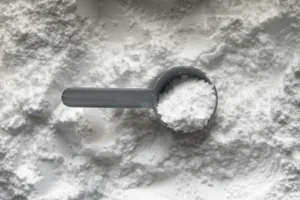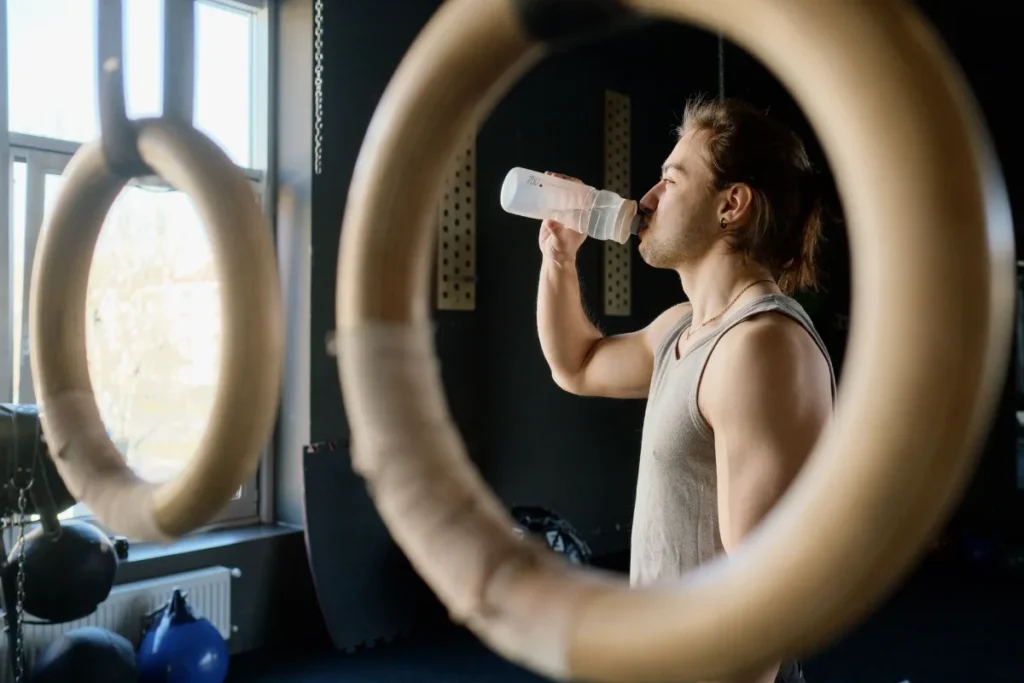
Creatine pulls water into your muscle cells — that’s part of how it works. Your daily water requirement goes up when you supplement with it. Drink too little and you’ll feel sluggish, crampy, and bloated. Drink enough and creatine performs exactly as the research shows it should.
Here’s how to calculate your daily water target while taking creatine.
Find Your Creatine Dose First
See your personalized creatine dosage based on body weight before adjusting your water intake.
Use the Creatine Calculator →The Daily Water Formula
Start with your standard daily water target, then stack additions on top:
- Baseline: 0.5–1 oz per pound of body weight (30–60 ml per kg)
- Creatine addition: +16–32 oz (500–1,000 ml) above baseline
- Training days: +16–24 oz per hour of exercise
Example for a 180 lb (82 kg) person doing a 1-hour workout:
- Baseline: 90–180 oz
- Creatine addition: +16–32 oz
- Training addition: +16–24 oz
- Total: ~122–236 oz (roughly 3.5–7 liters)
That’s a wide range because it accounts for differences in sweat rate, climate, and training intensity. Start toward the lower end and increase if you notice any dehydration signs.
During the Loading Phase
If you’re doing a loading protocol — 20–25g per day for 5–7 days — increase your water intake proportionally. Higher creatine doses draw more water into muscle tissue, which means your body needs more fluid in circulation to compensate.
Add an extra 16–32 oz above your standard creatine target during loading. Spreading your doses across 4–5 smaller servings throughout the day also reduces the bloating that loading can sometimes cause.
Related Reading
How Much Creatine Per Day? The Right Dose by Weight and Goal →Signs You’re Not Drinking Enough Water on Creatine
Creatine makes dehydration symptoms more noticeable because it increases water demand at the cellular level. Watch for:
- Dark yellow urine — the most reliable indicator; aim for pale yellow
- Muscle cramps — especially during or after workouts
- Headaches — often appearing within a few hours of training
- Bloating or digestive discomfort — common when creatine isn’t dissolved in enough fluid
- Sluggish workouts — reduced strength output despite supplementing correctly
Muscle cramps on creatine are usually a combination of dehydration and electrolyte imbalance rather than the creatine itself.
When to Drink Your Water
Don’t try to hit your daily target all at once. Spread it throughout the day for better absorption and to avoid digestive issues:
- 16 oz first thing in the morning before coffee or food
- Small sips consistently throughout the day (8–16 oz per hour)
- 16 oz around 30 minutes before your workout
- Sip steadily during training — don’t chug
- 16–32 oz in the 2 hours after training
Taking your creatine dose dissolved in 8–12 oz of water contributes to your daily total and improves dissolution.
Do You Need Electrolytes Too?
Water alone may not be enough on high-intensity training days. Creatine increases intracellular water — meaning the water drawn into muscle cells — but sodium, potassium, and magnesium losses through sweat still happen. If you’re cramping despite good hydration, add electrolytes to at least one serving of water per day, particularly around training.
Frequently Asked Questions
Does creatine make you retain water?
Yes — but it’s intramuscular water retention. The water goes into your muscle cells, not under your skin. This is actually one of the performance benefits: increased cell volumization improves strength output and muscle protein synthesis. It’s different from the sodium-driven, puffy-looking water retention that most people want to avoid.
Should I drink more water on rest days?
Remove the training addition on rest days, but keep the baseline plus creatine addition. Your muscles still need hydration to process creatine even when you’re not exercising.
Can you drink too much water on creatine?
Excessive water intake without sufficient electrolytes can theoretically cause problems, but this is rare and only occurs at extreme intake levels. For the vast majority of people supplementing creatine, the realistic risk is drinking too little, not too much.
Get Your Personalized Creatine Dose
Use our free calculator to find the right creatine dose based on your body weight, training frequency, and goals.
Calculate My Creatine Dose →