
Last updated: March 2026
Most creatine guides are written for someone who’s never heard of creatine. If you’re here, you’ve already heard of it — you have specific questions you want answered directly.
This guide skips the extended sales pitch and covers what people actually search for: how much to take, when to take it, how much water you need, what the side effects actually are (and which ones are myths), and whether creatine is appropriate for your specific situation.
What Creatine Does (The Short Version)
Creatine is stored in your muscles as phosphocreatine. During short bursts of high-intensity effort — a heavy set, a sprint, a jump — your muscles burn through ATP (adenosine triphosphate) faster than your body can regenerate it. Phosphocreatine donates a phosphate group to rapidly rebuild ATP, extending how long you can sustain that effort before you fatigue.
Supplementing with creatine increases the phosphocreatine stored in your muscles by roughly 20–40%. More stored phosphocreatine = more ATP available = more reps, more power output, faster recovery between sets.
That’s the mechanism. Everything else — muscle growth, strength gains, cognitive benefits — follows from that.
About half your body’s creatine comes from food (mainly red meat and seafood). The other half is synthesised in the liver and kidneys. Most people eating a standard diet have partially saturated stores. Supplementation fills the rest.
Dosage: How Much Creatine to Take
The research-backed effective dose is 3–5 grams per day. This is true for beginners and experienced lifters alike. Body weight affects the upper end — larger athletes with more muscle mass to saturate can benefit from the higher end of that range.
There is no benefit to taking more than 5g per day once stores are saturated. Excess creatine is simply excreted.
Loading Phase: Do You Need One?
A loading phase (20g/day split across 4 doses for 5–7 days) saturates your muscles faster — you reach full creatine stores in about a week instead of 3–4 weeks. After loading, drop to 3–5g/day to maintain.
Loading is optional. You get to the same endpoint either way. The only reason to load is if you want to feel the effects sooner. The downsides: 20g/day is hard on the stomach and often causes GI discomfort. For most people, the slower route is easier to stick to.
Find Your Exact Creatine Dose
The Creatine Calculator gives you a personalised loading and maintenance dose based on your body weight — so you’re not guessing.
Calculate Your Creatine Dose →Timing: When to Take Creatine
Timing matters less than consistency. The research on optimal creatine timing is genuinely mixed — some studies show a slight edge for post-workout intake, others show no meaningful difference.
What the research does agree on: daily consistency is what matters. Taking it at the same time every day keeps muscle stores topped up. Pick a time you’ll remember — with breakfast, mixed into your pre-workout drink, or with your post-workout shake — and stick to it.
Should You Take Creatine Before or After a Workout?
Either works. If you want to follow the slight lean from the research, post-workout is marginally better — pairing it with a meal that includes carbohydrates and protein may improve uptake slightly due to the insulin response. But this is a minor detail compared to just taking it daily.
Should You Take Creatine on Rest Days?
Yes. Taking creatine on rest days maintains the elevated muscle stores you’ve built. Skip it and you start slowly losing saturation. On rest days, timing is completely irrelevant — just take your 3–5g with a meal.
Can You Take Creatine Before Bed?
Yes. Creatine is not a stimulant. It contains no caffeine and won’t affect sleep quality. Taking it at night is fine.
Water Intake: How Much to Drink on Creatine
Creatine draws water into muscle cells, which is part of why it works — but it also means your total body water demand increases. Inadequate hydration while supplementing can cause bloating, cramping, and reduced performance.
A practical starting point: drink an extra 500ml (about 16 oz) of water per day on top of your normal intake when you start creatine. Adjust based on how you feel and your training intensity.
General guidance: aim for urine that’s pale yellow throughout the day. Dark urine is a sign you’re under-hydrated. This matters more during a loading phase when you’re taking 20g/day.
Side Effects: What’s Real and What Isn’t
Creatine is one of the most studied supplements in sports science. The side effect profile is well understood. Here’s a direct breakdown of the common concerns:
Does Creatine Cause Weight Gain?
Yes — but it’s water weight, not fat. When you start creatine, your muscles retain more water as stores saturate. Most people see an increase of 1–2kg in the first 1–2 weeks. This is intramuscular water, not body fat.
If you stop taking creatine, this water weight comes off. Actual muscle tissue built through training is retained.
Does Creatine Cause Bloating?
It can, particularly during a loading phase. Taking 20g/day in large doses stresses the GI tract. Bloating and stomach discomfort during loading are common. Solutions: spread doses across the day, take with food, or skip the loading phase and use 3–5g/day instead — GI issues are much less common at maintenance doses.
If you experience bloating at maintenance doses, try micronized creatine monohydrate, which has smaller particles that dissolve more easily and are gentler on the stomach.
Does Creatine Cause Hair Loss?
The evidence does not support this. The concern traces back to a single 2009 study on rugby players that found a rise in DHT (dihydrotestosterone) levels after creatine supplementation. DHT is implicated in male pattern baldness.
The problems with that study: it measured DHT in the blood, not at the hair follicle where hair loss actually occurs. The DHT increase was within normal ranges — similar to what exercise alone produces. No follow-up study has replicated or confirmed a link between creatine and hair loss.
If you are genetically predisposed to male pattern baldness, DHT matters — but exercise, stress, and diet all affect DHT levels. Creatine is not meaningfully different from those factors based on current evidence.
Does Creatine Cause Diarrhea or Constipation?
GI discomfort — including loose stools or constipation — can occur, primarily during loading phases or when taking creatine on an empty stomach. At standard 3–5g maintenance doses, these effects are uncommon.
If you’re experiencing GI issues: take creatine with food, split your dose, ensure you’re drinking enough water, and consider switching to micronized creatine.
Is Creatine Bad for Your Kidneys or Liver?
No, in healthy individuals. This is the most persistent myth about creatine. Creatine is metabolised into creatinine, which the kidneys filter — and elevated creatinine in the blood can look like a kidney function marker on lab tests, which is where the concern originated.
Multiple long-term studies, including research over 4+ years of daily supplementation, have found no kidney or liver damage in healthy adults taking standard doses. People with pre-existing kidney or liver conditions should speak to a doctor before supplementing — not because creatine is proven harmful, but as a precaution.
Does Creatine Cause Acne?
There is no direct evidence linking creatine to acne. Acne is primarily driven by hormones, skin microbiome, and diet. If you’ve noticed acne worsening since starting creatine, it’s more likely related to training intensity changes, diet shifts, or other supplement changes (particularly pre-workouts containing stimulants).
Does Creatine Raise Blood Pressure?
Current evidence does not show that creatine significantly raises blood pressure in healthy individuals. Some studies have actually suggested a slight reduction in blood pressure with long-term use. If you have hypertension, speak to your doctor before supplementing — as a precaution, not because the evidence suggests harm.
Does Creatine Cause Headaches?
Not directly. Headaches during creatine use are almost always a sign of dehydration. Creatine increases intramuscular water demand — if you’re not drinking enough to compensate, dehydration headaches follow. The fix is more water, not stopping creatine.
Does Creatine Make You Poop More?
This is GI discomfort, usually from high doses or taking creatine on an empty stomach. It’s not a direct effect of creatine — it’s a dosing or timing issue. Take it with food and keep to 3–5g/day.
How Long Does Creatine Take to Work?
With a loading phase: noticeable effects within 5–7 days as stores saturate rapidly.
Without loading (3–5g/day): stores reach saturation in approximately 3–4 weeks. Performance improvements become noticeable around the same time.
The first thing most people notice is an increase in training volume — more reps at the same weight, or shorter recovery time between sets. Strength and muscle mass changes follow with consistent training over weeks and months.
Does Creatine Expire?
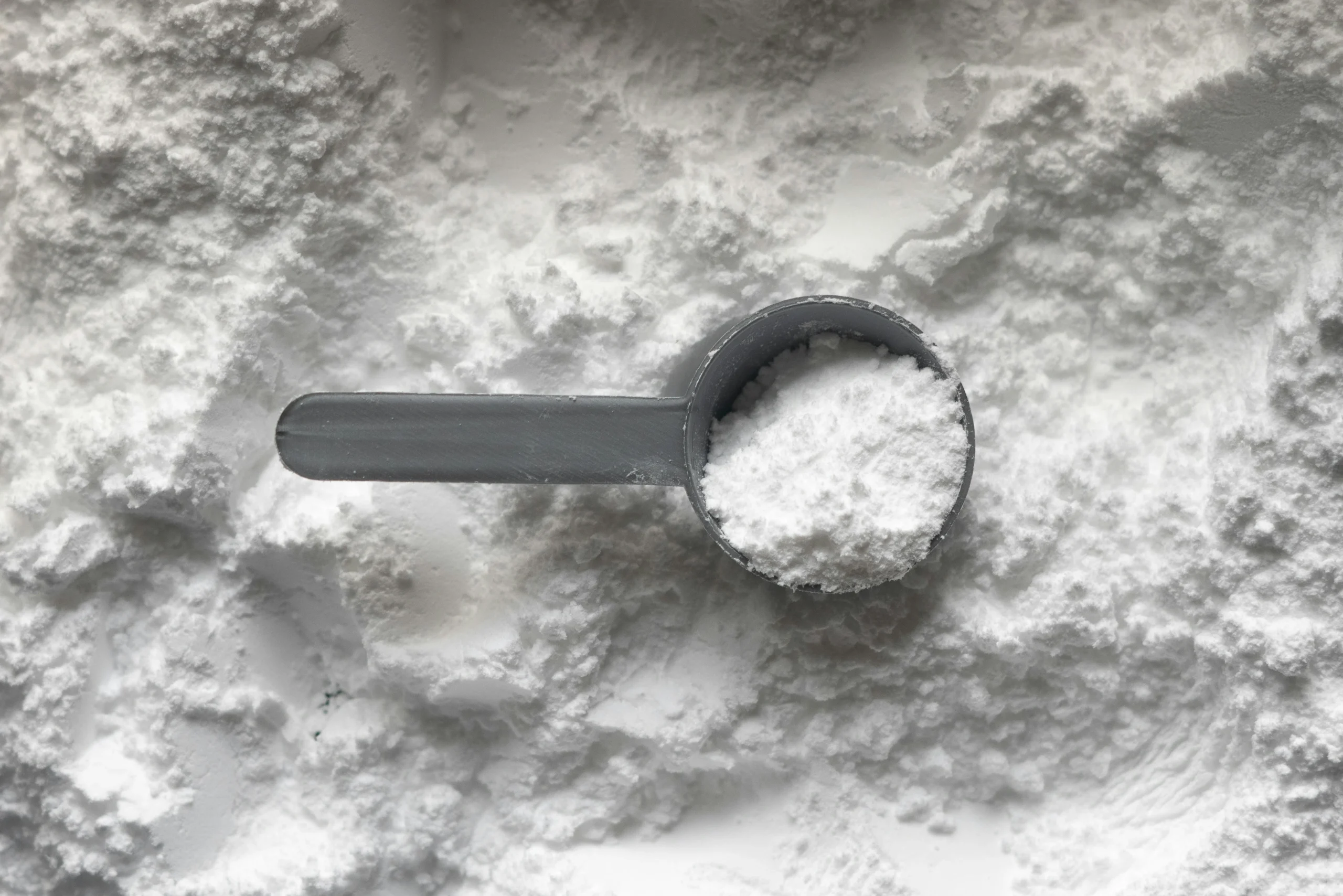
Creatine monohydrate powder, stored correctly, maintains its potency for up to four years from the manufacturing date. This often exceeds the labelled expiration date, which is set conservatively.
The breakdown product of degraded creatine is creatinine — not harmful, but it doesn’t provide the same performance benefits. Signs that creatine has actually degraded: off smell (sometimes described as fishy or sour), significant colour change from white/off-white, or mould (indicating moisture intrusion).
Minor clumping from humidity is normal. If the creatine still looks white, smells neutral, and breaks apart easily, it’s almost certainly still effective.
How to Store Creatine
- Keep it dry: Moisture is the main enemy — it causes clumping and accelerates degradation
- Airtight container: Seal the lid tightly after each use; consider a silica gel packet inside the container
- Cool, dark location: A cupboard away from heat sources and direct sunlight is ideal
- Avoid the bathroom: High humidity from showers degrades creatine faster
Liquid vs Powder vs Tablets
Powder (monohydrate) has the longest shelf life by far. Liquid creatine degrades quickly — creatine breaks down into creatinine in liquid form — and is generally not recommended. Tablets fall between the two. Stick with monohydrate powder for shelf life, potency, and cost-effectiveness.
Creatine While Cutting: Should You Take It?
Yes. Creatine is valuable during a cut for two reasons: it helps preserve strength and muscle mass when you’re in a calorie deficit, and it supports training performance when energy availability is lower.
The water weight concern during a cut is valid cosmetically — the scale may not move as fast as you’d like. But the muscle preservation benefit outweighs this, especially in longer cuts. If you’re peaking for a competition or photo shoot, you might time creatine cessation a week or two out to shed the water weight.
Creatine Without Working Out
Taking creatine without training won’t build muscle — creatine needs the stimulus of resistance training to drive hypertrophy. Without that stimulus, increased phosphocreatine stores have nowhere to express themselves in terms of muscle growth.
That said, creatine has benefits outside the gym: it supports cognitive function (particularly in vegetarians and older adults who tend to have lower creatine stores), and some research suggests benefits for brain energy metabolism and short-term memory.
The muscle-related side effect of training with creatine — intramuscular water retention — still occurs without training. If you’re sedentary, this manifests as slightly fuller-looking muscles without the strength or mass gains.
What Happens When You Stop Taking Creatine?
When you stop supplementing, your muscle creatine stores return to baseline over several weeks. What you’ll notice:
- Loss of the water weight (1–2kg) retained in muscle cells — muscles may look slightly less full
- Gradual reduction in training performance, particularly in high-rep sets and high-intensity efforts
- Muscle tissue built through actual training is not lost — only the water content changes
Creatine doesn’t need to be cycled. Long-term daily use at maintenance doses (3–5g) is safe and effective. There’s no evidence that continuous supplementation reduces effectiveness over time.
Is Creatine Safe for Your Situation?
Women
Yes. Research supports creatine use in women across all training stages. It won’t cause a masculine physique — creatine doesn’t affect testosterone or oestrogen levels. Benefits include improved strength, muscle endurance, and post-menopausal bone density support.
Teenagers
Creatine is generally considered safe for teenagers engaging in serious training. The International Society of Sports Nutrition states there is no evidence of harm in healthy adolescent athletes. However, because long-term data in developing bodies is more limited, many practitioners recommend waiting until adulthood or at minimum ensuring proper nutrition and training are already in place before adding supplements.
Pregnant or Breastfeeding
The evidence base here is insufficient to make a clear recommendation. Some research suggests potential benefits (creatine has a role in foetal development), but controlled studies in pregnant women are limited. The precautionary position is to avoid supplementation during pregnancy and breastfeeding unless under medical supervision.
High Blood Pressure
Current evidence doesn’t indicate creatine worsens hypertension — some studies suggest a mild blood pressure benefit. However, if you’re on blood pressure medication, check with your doctor before adding any supplement, as a precaution.
Vegetarians and Vegans
Creatine is found almost exclusively in animal products. Vegetarians and vegans typically have lower baseline creatine stores, which means they often see the largest performance benefits from supplementation — their muscles have more room to saturate. Creatine monohydrate as a supplement is synthetically produced and vegan.
What Type of Creatine Is Best?
Creatine monohydrate is the answer. It has the largest body of research behind it, the best safety data, and is the most cost-effective form. Alternatives like creatine HCl, buffered creatine (Kre-Alkalyn), and creatine ethyl ester are marketed as superior but have less research and cost more. None have been shown to outperform monohydrate at equivalent doses.
If you experience stomach discomfort with regular monohydrate, micronized creatine monohydrate (smaller particle size, better solubility) is a reasonable step before switching to a different form entirely.
The Bottom Line
Creatine monohydrate, 3–5g per day, taken consistently. Everything else — timing, loading, form — is secondary to that one habit.
The side effects are mostly myths or dose-related issues that resolve with proper hydration and standard dosing. It’s safe for most healthy adults, effective across training goals, and one of the few supplements with decades of research to back the claims.
Calculate Your Creatine Dose
Get your personalised loading and maintenance dose based on your body weight — no guesswork needed.
Calculate Your Creatine Dose →