Last updated: August 2026
“Eat more protein” is true but incomplete — muscle recovery depends on a specific combination of nutrients, not protein in isolation, and timing and food quality both matter more than most general advice suggests. This is about the actual foods and combinations, not the general principle behind them.
What Muscle Recovery Actually Needs From Food
Three things, working together: protein to supply the amino acids that rebuild muscle tissue, carbohydrates to replenish glycogen stores that training depletes, and micronutrients and fluids that support the broader repair and inflammation-management process. Food that covers all three does more for recovery than protein alone.
The Best Protein Sources for Recovery
| Food | Why It Works |
|---|---|
| Eggs | Complete amino acid profile, high leucine content (the amino acid most directly tied to triggering muscle protein synthesis) |
| Greek yogurt | High protein density, plus probiotics that support gut health and nutrient absorption |
| Chicken breast | Lean, complete protein, minimal fat if that’s a consideration for your overall intake |
| Salmon | Protein plus omega-3 fatty acids, which have anti-inflammatory properties relevant to recovery |
| Whey protein | Fast-digesting, convenient, high leucine — particularly useful right after training when whole-food prep isn’t practical |
| Cottage cheese | Slow-digesting casein protein — useful before bed to support overnight recovery |
Know your actual protein target first
Food choices matter less if total daily protein is off. Find your number based on bodyweight and training goal.
Carbohydrates for Recovery — Why They Matter as Much as Protein
Training, particularly resistance training and longer cardio sessions, depletes muscle glycogen — your body’s stored form of carbohydrate energy. Replenishing it supports faster recovery and better performance in your next session; a recovery meal that’s protein-only, with minimal carbohydrate, is missing half the equation.
| Food | Why It Works |
|---|---|
| Rice (white or brown) | Easily digested, effective glycogen replenishment |
| Sweet potatoes | Carbohydrates plus potassium and vitamin A |
| Oats | Slower-digesting carbohydrate, useful for pre-bed or longer-window recovery meals |
| Bananas | Fast carbohydrates plus potassium, which supports muscle function and can help with cramping |
| Fruit generally | Carbohydrates plus antioxidants that may help manage exercise-induced inflammation |
The Best Combined Post-Workout Meals
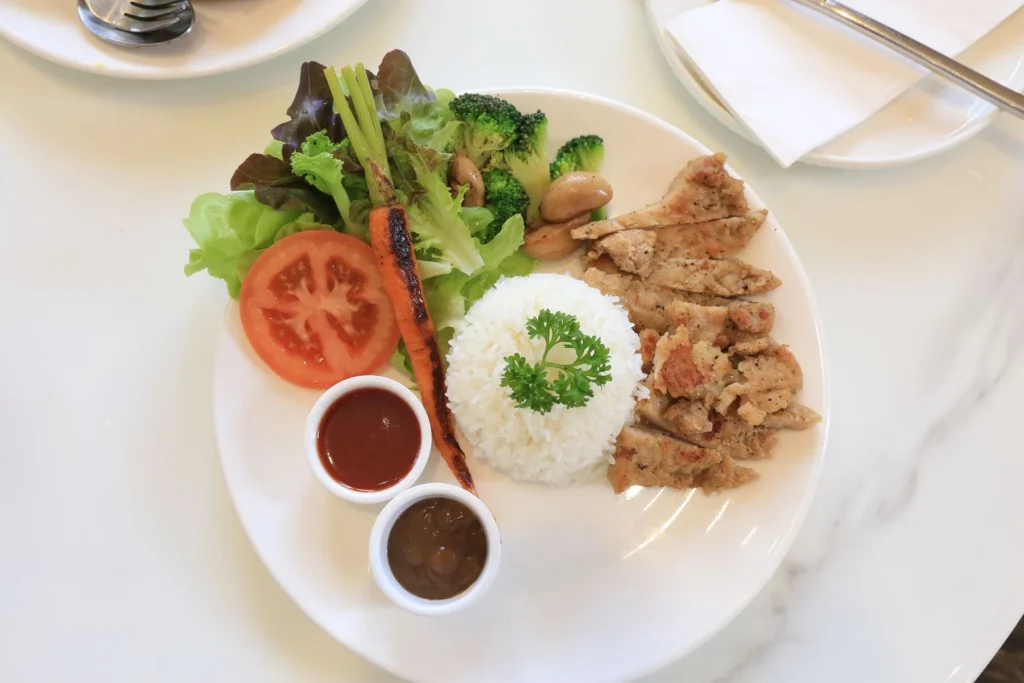
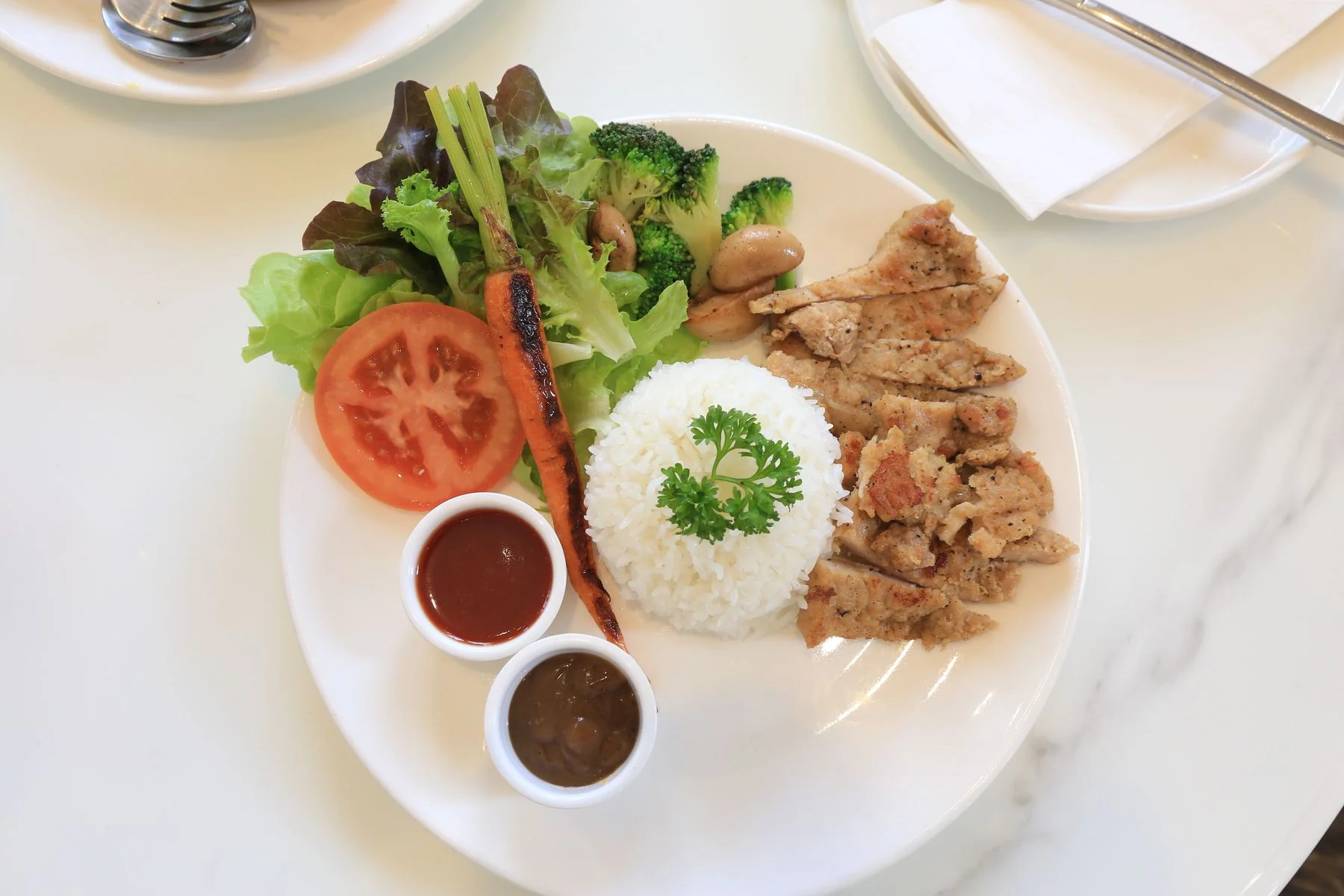
- Grilled chicken, rice, and vegetables
- Greek yogurt with berries and a drizzle of honey
- Eggs on whole-grain toast with fruit
- Salmon with sweet potato
- A whey protein shake blended with a banana and oats, if a full meal isn’t practical right away
The common thread: protein and carbohydrate together, not protein alone. This combination supports both the muscle-repair and glycogen-replenishment sides of recovery in one meal rather than requiring two separate ones.
Do You Need to Eat Immediately After a Workout?
Less urgently than the old “anabolic window” advice suggested. Current research indicates the practical window for post-workout nutrition is considerably wider than the once-popular 30-minute rule — closer to several hours, particularly if you ate a reasonable meal in the hours before training. Eating something reasonably soon (within a couple of hours) is still a sound practice, but a slight delay isn’t the recovery-killer it was once presented as.
Foods and Nutrients Worth Paying Attention To Beyond Protein and Carbs
- Tart cherry juice — some research links it to modestly reduced muscle soreness and faster strength recovery, likely via its antioxidant and anti-inflammatory compounds.
- Fatty fish (salmon, mackerel) — omega-3s have anti-inflammatory properties that may support recovery, beyond their contribution as a protein source.
- Leafy greens and colorful vegetables — broad micronutrient and antioxidant support for the general repair process, not tied to one specific mechanism.
- Water and electrolytes — dehydration measurably slows recovery; this is nutrition in the broad sense, not just food.
What About Creatine for Recovery?
Creatine’s primary role is performance (more available ATP for high-intensity effort), but it also has a secondary recovery benefit — some research points to creatine supporting faster recovery between sessions and reduced exercise-induced muscle damage markers, on top of its better-known strength and power effects.
Find your creatine dose
If recovery support is part of why you’re considering creatine, get your personalized dose based on bodyweight.
Related Reading
FAQ
What is the single best food for muscle recovery?
There isn’t one — recovery depends on the combination of protein and carbohydrate together, not any single “superfood.” A balanced meal with both, like chicken and rice or eggs with toast, does more than any individual ingredient on its own.
Does eating protein alone speed up muscle recovery?
It helps, but pairing it with carbohydrate is more effective for overall recovery than protein alone, since carbohydrate replenishes the glycogen stores that protein doesn’t address.
Are recovery supplements necessary, or is food enough?
For most people, whole food covers recovery needs without requiring specialized recovery supplements. Protein powder and creatine are reasonable, well-researched conveniences — not requirements — for hitting protein targets or supporting performance and recovery specifically.
Muscle recovery nutrition comes down to protein and carbohydrate together, consistently, rather than chasing a single best food or a strict post-workout timing window. Get that combination right across your regular meals and the rest is refinement, not the core requirement.