A lean bulk meal plan isn’t complicated — it’s a small calorie surplus built around enough protein, quality carbohydrates, and healthy fats to fuel muscle growth without stacking on unnecessary body fat. This article covers the food principles, macro targets, and a practical sample day of eating.
Set Your Calorie Target First
A lean bulk meal plan starts with knowing your numbers. You need to eat about 5–15% above your maintenance calories — roughly 200–400 extra calories per day for most people.
Without knowing your maintenance (TDEE), meal planning is guesswork. Use the Mifflin-St Jeor formula or a TDEE calculator to get your starting number, then add your surplus on top.
Related Reading
How Many Calories Should I Eat to Gain Muscle? →Macro Targets for a Lean Bulk
Once you have your calorie target, distribute it across macros:
| Macro | Target | Why It Matters |
|---|---|---|
| Protein | 0.7–1.0g per lb of bodyweight | Builds and repairs muscle tissue |
| Carbohydrates | 40–50% of total calories | Fuels training, replenishes glycogen |
| Fat | 20–30% of total calories | Hormones, vitamin absorption, satiety |
Protein comes first. Hit your protein floor before worrying about the carb/fat split.
Related Reading
Macros for Muscle Gain: Exact Protein, Carb, and Fat Targets →Best Foods for a Lean Bulk
A lean bulk prioritizes whole, nutrient-dense foods that give you precise control over your calorie surplus. Here’s what the shopping list looks like:
Lean Proteins
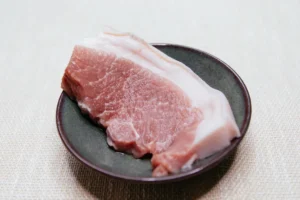
- Chicken breast, turkey, lean beef, pork tenderloin
- Salmon, tuna, tilapia, white fish
- Eggs and egg whites
- Greek yogurt, cottage cheese, reduced-fat cheese
- Tofu, tempeh, legumes (for plant-based options)
- Whey or casein protein powder
Complex Carbohydrates
- Oats, brown rice, white rice, quinoa
- Sweet potatoes, white potatoes
- Whole grain bread, whole wheat pasta
- Beans and lentils
- Fruit (bananas, berries, apples, oranges)
Healthy Fats
- Olive oil, avocado oil
- Avocados
- Almonds, walnuts, cashews, natural nut butters
- Fatty fish (salmon, mackerel)
- Chia seeds, flaxseeds, hemp seeds
Vegetables
- All vegetables are encouraged — they add volume, fiber, and micronutrients without meaningfully affecting the calorie surplus
- Focus: broccoli, spinach, peppers, asparagus, zucchini, tomatoes, mixed greens
Foods to Limit
No food is completely off-limits on a lean bulk, but some make it hard to control your surplus:
- Highly processed foods — chips, fast food, packaged pastries, fried food
- Sugary drinks and sweetened coffee
- Processed meats — bacon, sausage, deli-style salami
These aren’t banned, but if most of your surplus calories come from junk food, you lose the precision that makes a lean bulk work.
Sample Lean Bulk Meal Plan (2,800 Calories / ~175 lb Person)
This example targets a 175 lb lifter with a maintenance around 2,400 cal and a +400 calorie lean bulk surplus:
| Meal | Example | Approx. Protein |
|---|---|---|
| Breakfast | Oatmeal (1 cup dry) + 3 scrambled eggs + banana + 1 slice whole grain toast | ~34g |
| Mid-morning snack | Greek yogurt (1 cup) + mixed berries + 1 oz almonds | ~30g |
| Lunch | Chicken breast (6 oz) + 1.5 cups cooked rice + broccoli | ~58g |
| Pre-workout snack | Apple + 2 tbsp natural peanut butter | ~8g |
| Dinner | Salmon fillet (6 oz) + sweet potato + mixed greens salad | ~40g |
| Pre-bed | Cottage cheese (1 cup) + 1 cup pineapple | ~26g |
Total: ~195g protein / ~290g carbs / ~85g fat / ~2,700–2,800 calories (protein lands slightly above 1g per lb here, which is fine)
Meal Timing Tips
Pre-workout: Eat a carb-rich meal 1–2 hours before training to top off glycogen. A banana, oats, or a rice cake with nut butter all work well.
Post-workout: Consume protein + carbs within a few hours after training to support recovery. This doesn’t need to be a rush — “the anabolic window” is wider than gym lore suggests — but don’t skip it entirely.
Protein distribution: Spreading protein across 4–5 meals (rather than front-loading it) helps maximize muscle protein synthesis throughout the day.
Eating Enough Without Overeating
The biggest challenge on a lean bulk isn’t restraint — it’s consistency. For most people, hitting a modest surplus every day without accidentally drifting into a deficit or overshooting into a dirty bulk requires at least rough tracking.
Tips that help:
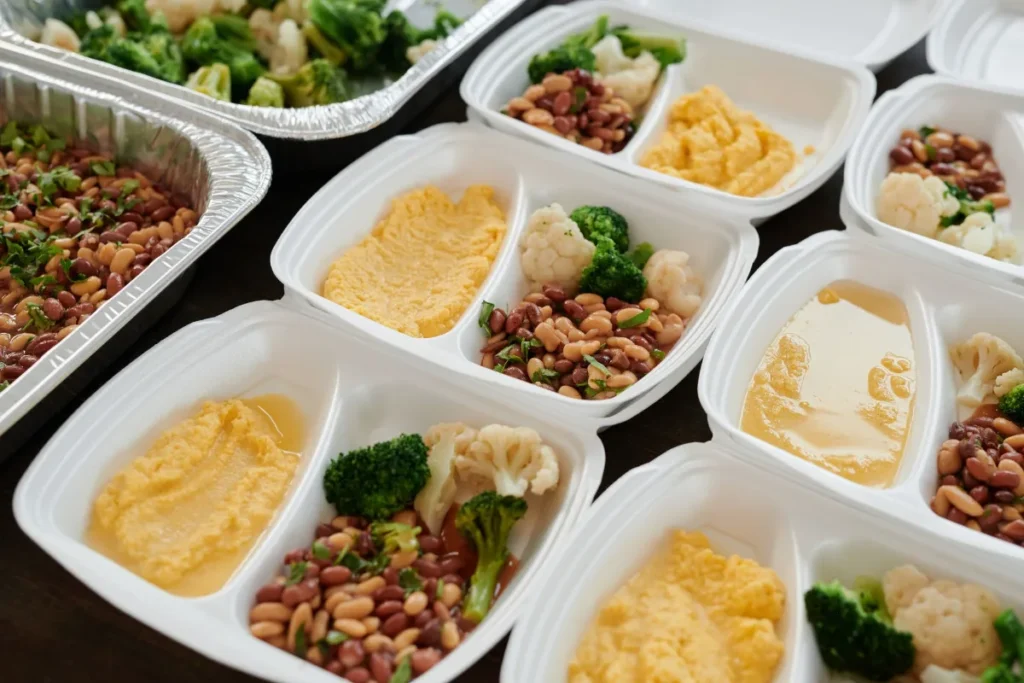
- Meal prep proteins and grains at the start of the week
- Keep calorie-dense snacks on hand (nuts, nut butters, Greek yogurt) for days when appetite is low
- Weigh yourself weekly to confirm the surplus is working — adjust by 100–150 calories if weight isn’t moving
Related Reading
How to Count Macros: A Step-by-Step Beginner’s Guide →Build Your Lean Bulk Meal Plan Around Your Numbers
The sample above is a template, not a prescription. Your exact calorie and macro targets depend on your weight, height, age, and activity level. Use the lean bulk calculator to get your personalized numbers, then plug in foods you actually enjoy eating.
Get Your Lean Bulk Calorie & Macro Targets
Calculate your personalized lean bulk numbers to build your meal plan around.
Use the Lean Bulk Calculator →Related Reading
Lean Muscle vs Bulk Muscle: What’s the Difference? →